 Void Merge
Portfolio
Human Touch Technologies

With over two decades in the tech industry as a software architect, principal engineer, and development manager working for companies with tens of thousands of employees to startups that have grown from a handful to hundreds, David has the pulse of the industry, and the experience to bring amazing products to life.
HumanTouch is a Shopify-native customer support platform focused on restoring operational clarity and human interaction within modern support environments. The project was built around a simple observation: as customer support platforms increasingly moved toward AI-led automation, many merchants began experiencing the opposite of what support systems were originally intended to provide: slower resolution, fragmented communication, and reduced trust between businesses and customers. Rather than approaching the product as another AI-first helpdesk, the goal was to create infrastructure that allowed human support teams to operate more effectively while using AI selectively as an operational tool, not a replacement layer.
From the beginning, the platform was designed around several operational priorities, including unified customer communication workflows, real-time support infrastructure, Shopify-native operational tooling, human verification and agent accountability, AI-assisted support systems, multi-tenant backend scalability, and future marketplace support for distributed support networks. Void Merge partnered alongside the founding team to support backend architecture, infrastructure planning, and systems development while allowing the operational and commercial direction of the platform to evolve independently.
The system architecture included real-time messaging and chat infrastructure, unified inbox and ticket management systems, Shopify integration architecture, presence and session management systems, organizational data isolation and multi-tenant infrastructure, AI-assisted support tooling, notification and synchronization systems, and marketplace infrastructure planning for distributed support agents.
One of the more important architectural decisions involved separating reusable infrastructure from application-specific implementation. Rather than tightly coupling operational systems directly to a single frontend experience, the backend was structured to remain modular and extensible as the platform evolved. This allowed the product to continue expanding operationally without requiring large-scale rewrites to the underlying infrastructure.
At the same time, HumanTouch's leadership continues to drive product direction, user experience, commercialization strategy, Shopify ecosystem expansion, and customer acquisition.
HumanTouch remains an ongoing collaboration focused on balancing technical infrastructure, product execution, and long-term operational growth.
For Void Merge, projects like HumanTouch represent an important category of software infrastructure: platforms where communication, accountability, and operational clarity directly influence the customer experience. The project continues to reinforce principles that shape how we approach modern SaaS products, including operational flexibility, organizational separation, thoughtful use of AI, and infrastructure designed to support long-term growth.
Gambler Tax
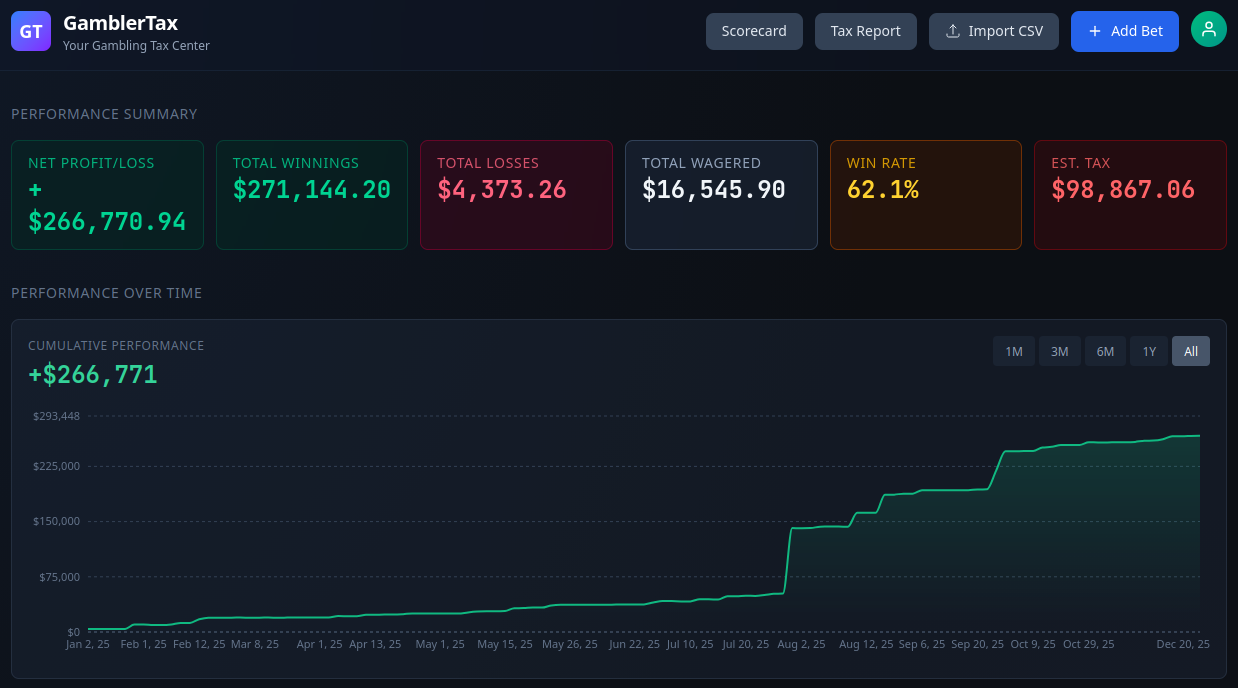
Gambler Tax is a financial infrastructure project focused on secure reporting, synchronization, and accounting workflows for gambling and sports betting environments.
The project was built around a simple observation: most financial tools in this space focus heavily on frontend reporting while overlooking the operational infrastructure underneath. Rather than approaching the project as a traditional tax application, the goal was to establish a scalable accounting and financial systems layer capable of supporting secure financial record storage, multi-session synchronization, financial reporting workflows, encrypted user-level data, authentication and identity management, and future expansion into broader accounting infrastructure.
Void Merge partnered alongside established founders to create the technical architecture and backend infrastructure behind the project while allowing the business and commercialization layers to evolve independently.
The system architecture includes client-side TypeScript financial data libraries, financial report generation systems, cryptographic encryption workflows, secure authentication and identity management, synchronization infrastructure between users and backend systems, payment and subscription integration support, and mobile-ready backend infrastructure planning.
One of the more important architectural decisions involved separating reusable infrastructure from project-specific implementation. Instead of tightly coupling accounting systems directly to a single frontend application, the backend was structured to remain modular and extensible. This allows the platform to evolve without requiring major rewrites to the underlying system as product requirements expand.
At the same time, the project leadership continues to drive frontend application direction, brand positioning, commercialization strategy, go-to-market planning, and business operations. Void Merge supported the initial development and launch of the MVP and continues to participate in the project through a long-term equity position.
For Void Merge, projects like Gambler Tax demonstrate the importance of building infrastructure intentionally from the beginning. Strong backend architecture reduces operational friction, supports long-term flexibility, and allows product and business operations to evolve independently as new requirements emerge. The project remains an example of how we approach operationally complex software platforms where security, synchronization, and long-term maintainability matter from day one.
Cirdia
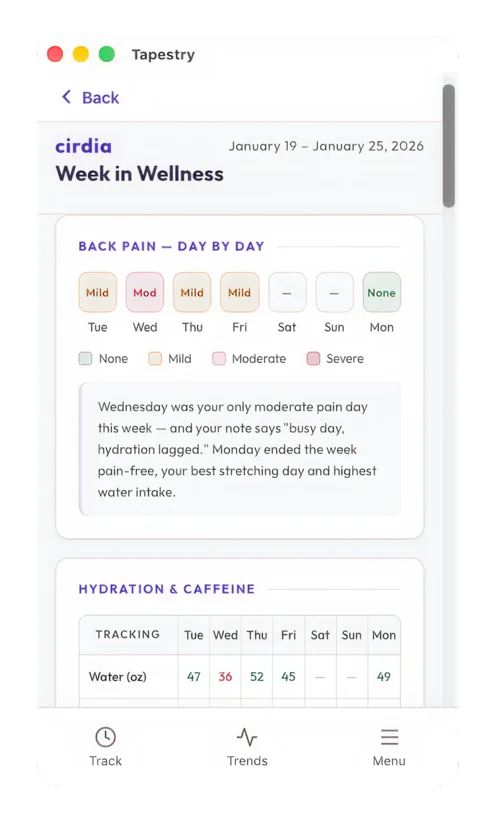
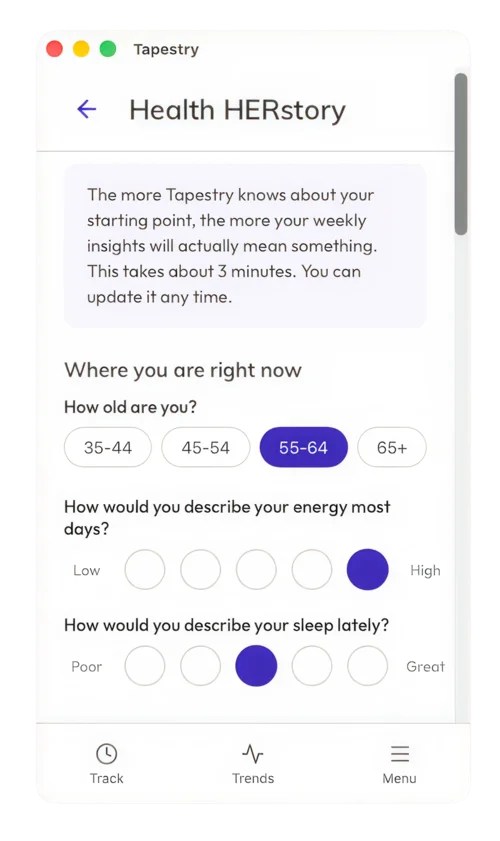
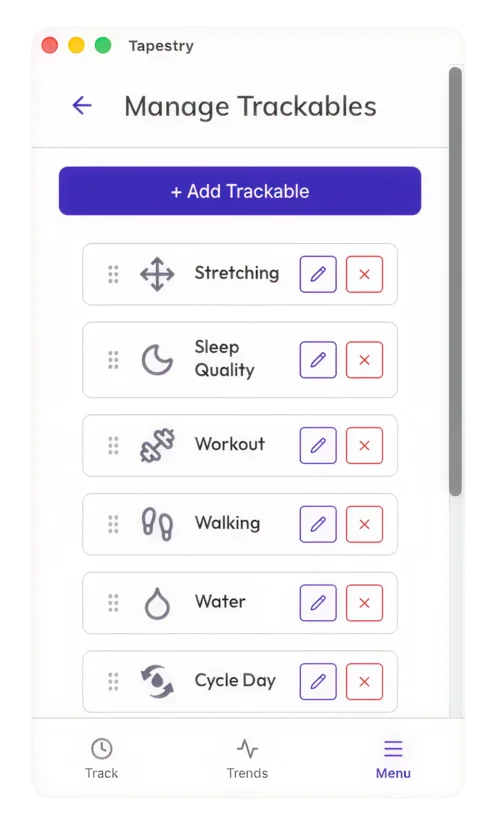
Cirdia is a wellness and health technology platform bringing privacy-focused insights to personal data from health tracking sources, such as wearables and mobile applications. Void Merge contributes by designing and implementing a state-of-the-art encryption and data storage solution to keep this sensitive data secure as it moves from user devices to insight processing and back.
This project is particularly interesting because privacy is part of the architecture from first-principals design, not a policy afterthought.
Furthermore, the Void Merge data transport and storage layer API acts as an encapsulation boundary allowing the front-end user applications and back-end insight processing to evolve independently without tight couplings.
Void Merge provides Cirdia with secure APIs, ensuring data is encrypted both on the wire and at rest.
End user applications submit encrypted payloads to Void Merge, which routes them to processing servers for analysis and returns encrypted results back to the user's device. Transit and storage layers operate on opaque ciphertext throughout, and data flowing through Void Merge is transient and expires automatically. Void Merge does not handle user health data in a form it can read.
This approach allows the product to maintain alignment between user trust, wellness insights, and infrastructure design. Importantly, the goal is to avoid technical complexity, designing with security, simplicity and maintainability from the very beginning. Void Merge supports a thoughtful product with infrastructure decisions that reinforce the platform’s broad privacy philosophy.
For Void Merge, projects like Cirdia represent an important category of technical collaboration:
Products where infrastructure decisions directly influence user trust. Especially in wellness and personal data environments, system design becomes part of the product experience itself. In those situations, quiet and reliable architecture matters more than visible complexity.